
Melasma treatment in Scottsdale often focuses on sun exposure. But if your SPF is on, you’re staying out of direct sunlight, and your pigment is still getting worse, heat-induced hyperpigmentation is likely the missing piece.
In Arizona, heat is near constant, not seasonal. And for melasma prone skin, that matters more than most people realize.
Does Heat Make Melasma Worse?
Yes. Heat alone can trigger melasma.
Most people understand that UV exposure causes pigmentation, but melanocytes, the cells responsible for producing pigment, can also be activated by heat, completely independent of UV rays.
This means your skin can flare even when you’re doing everything “right.”
In a Scottsdale summer, that includes:
- A hot yoga or pilates class
- A long drive in a warm car
- Sauna or steam room use
- Outdoor dining in the evening heat
- Your own internal body heat during extreme temperatures
This is why melasma often worsens in hot weather and why patients experience flare-ups even without direct sun exposure.
Why SPF Alone Isn’t Enough
Sunscreen is essential, but it does not fully protect against melasma.
SPF blocks UV radiation, but it does not address infrared heat or internal temperature increases that stimulate melanocytes. This is why many patients feel frustrated, because they are consistent with sunscreen but still experiencing pigment changes.
Tinted mineral sunscreen can help by blocking visible light, which also contributes to melasma. But true prevention requires managing both light and heat exposure.
What Triggers a Melasma Flare Up?
Melasma is not caused by one factor. It is the result of multiple overlapping triggers.
The most common include:
- UV exposure
- Heat and infrared radiation
- Hormonal fluctuations
- Skin inflammation
- Overly aggressive skincare or treatments
In Arizona, heat acts as a constant background trigger. It lowers your skin’s tolerance, making it easier for other factors to cause flare ups.
How to Prevent Melasma in Arizona Summer
Preventing melasma in a hot climate is less about doing more, and more about doing the right things consistently.
The goal is to keep melanocyte activity as stable as possible.
This means minimizing unnecessary heat exposure, avoiding overly aggressive treatments, and focusing on anti-inflammatory skincare.
Small adjustments like modifying workouts, limiting prolonged heat exposure, and choosing skincare products that support your skin barrier, can significantly reduce flare ups over time.
Best Melasma Treatment in Scottsdale
Effective melasma treatment in Scottsdale requires both correction and maintenance. Treating pigment without addressing triggers leads to short term results and repeated flare ups.
For correction, treatments must target pigment without overheating the skin:
- Chemical Peels help lift pigment while controlling inflammation
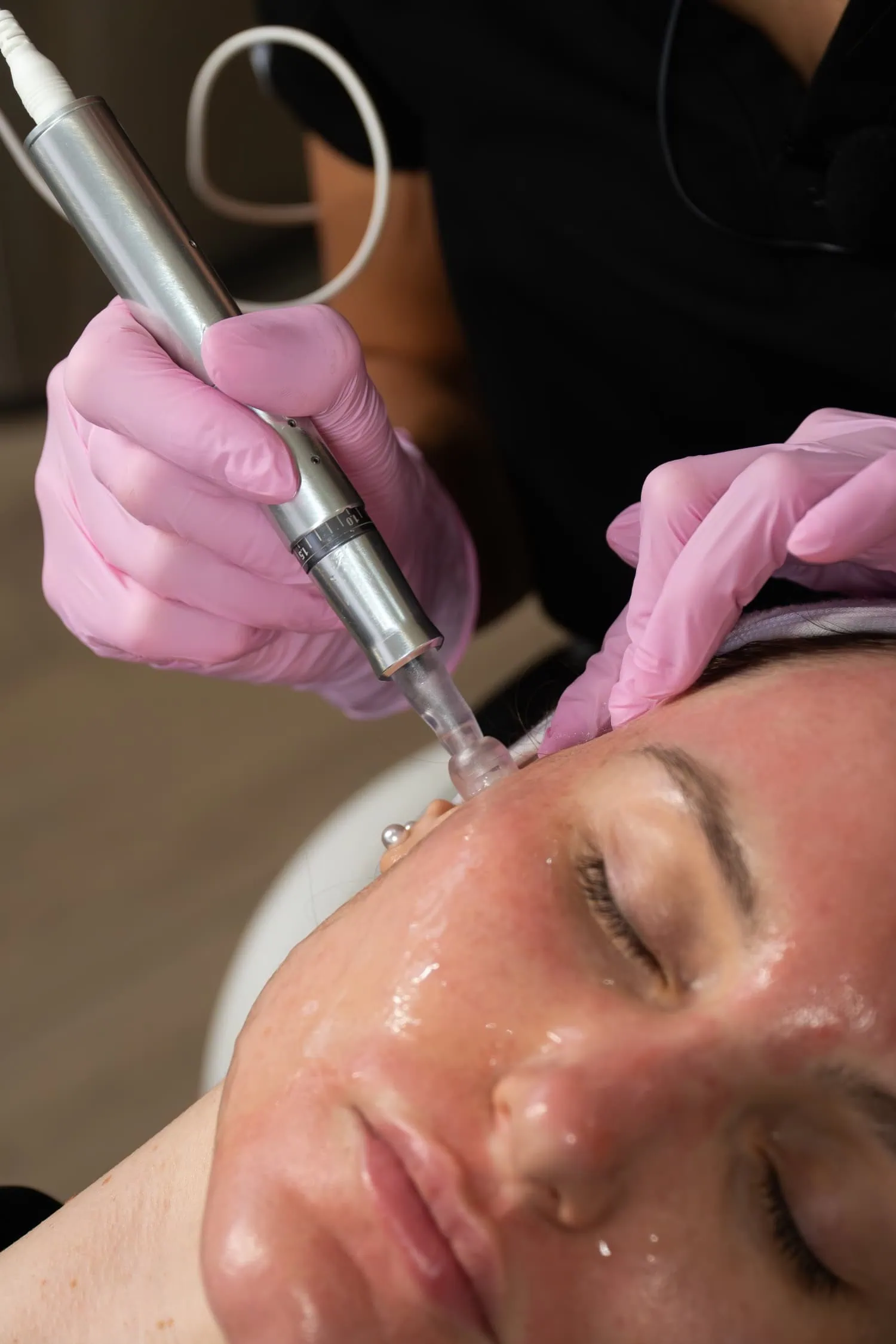
- Microneedling treats surface pigment while minimizing thermal buildup
- CoolPeel laser resurfaces and brightens without triggering excess heat
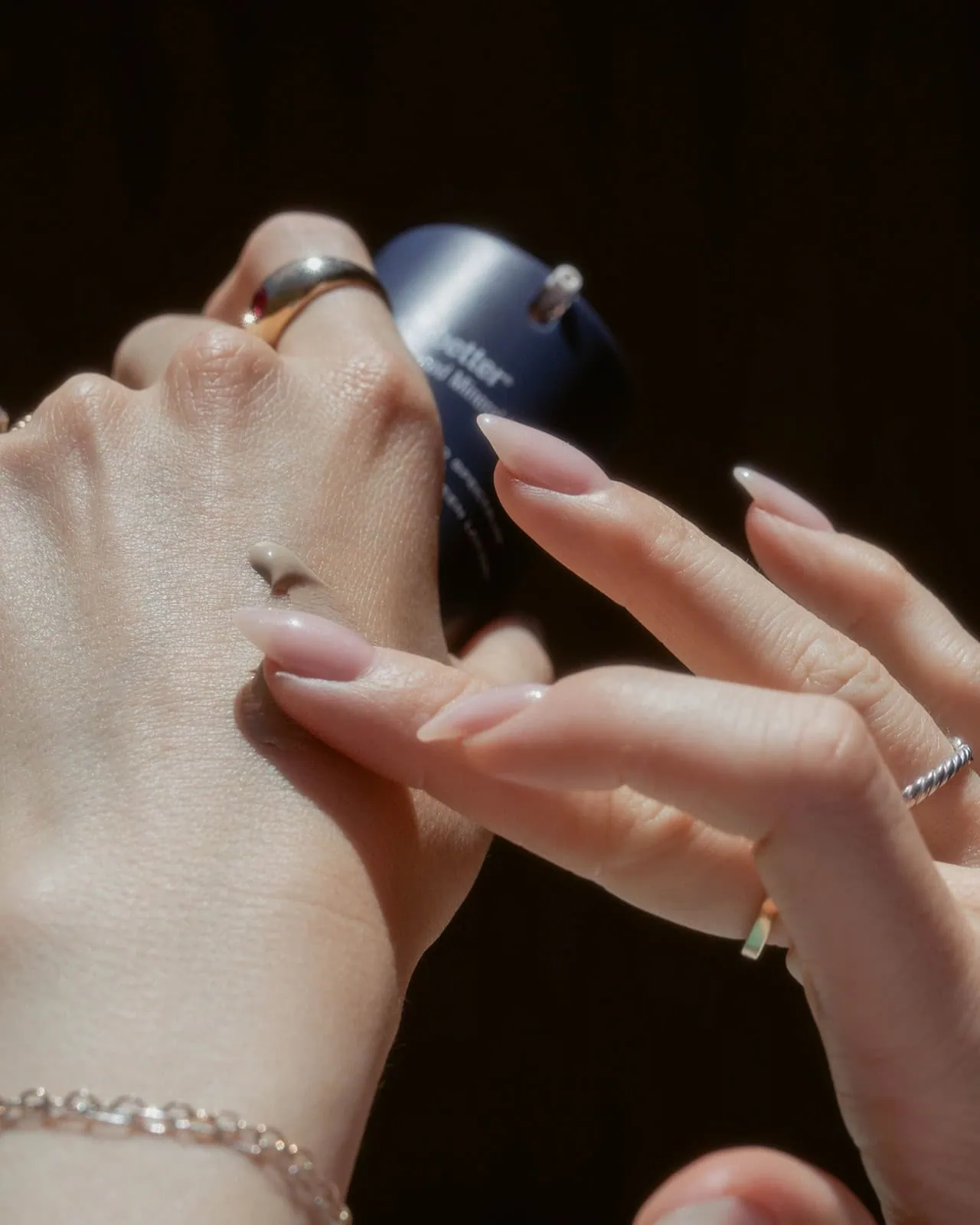
For maintenance, skincare is critical.
Medical grade systems like Noon Aesthetics support pigment control without irritating the skin. Ingredients such as tranexamic acid, niacinamide, and azelaic acid help regulate melanin production and reduce inflammation. Gentle chemical peels can also support cell turnover when used appropriately for melasma prone skin.
The most effective approach combines in clinic treatment with consistent at home care.
What Is the Difference Between Treating and Maintaining Melasma?
This is where most people fall short of reliable results.
Treating melasma means clearing visible pigment. Maintaining melasma means preventing it from coming back.
In a climate like Arizona, maintenance is everything. Without it, even the best treatments will only deliver temporary results.
What’s Triggering Your Pigment?
Melasma is one of the most frustrating skin concerns because it is not just a pigment issue, it is a reactivity issue.
You can clear the pigment, but if triggers like heat and inflammation are still present, it will continue to return. This is why long term success depends on identifying and controlling your triggers, not just treating what you see.
If your melasma keeps coming back despite consistent SPF and treatment, there is usually a missing piece. Book a consultation today and we can create a personalized plan that combines treatment, skincare, and lifestyle adjustments, so your melasma becomes far more manageable.